
Tipuranga | A growth shift
Five key shifts from my time at Takiura
In 2025, I stepped back from mahi to strengthen my reo Māori through full-time study at Te Wānanga Takiura. The experience shifted more than just my reo. It changed how I see the world, how I show up in my whānau and community, and how I carry myself in my mahi.
This series of posts reflects on five key shifts from my time at Takiura. Shifts in confidence, creativity, leadership, learning, and growth. These posts help me make sense of that journey and share what I’m carrying forward as I step into the next season of my mahi.
Tipuranga
One of the biggest areas of growth for me over the last year is my ability to tū ki te kōrero calmly and confidently i te reo Māori.
For a long time, standing to kōrero i te reo was rooted in deep emotions. Speaking in public was already uncomfortable for me. Speaking i te reo Māori was something deeper again.
Many of my memories of standing to kōrero i te reo Māori come from when I was younger – at school prizegivings, tangihanga, whānau occasions, presentations at school or later at tertiary education. Each time I stood, the hardest part wasn’t finding the words. The hardest part was not crying.
Speaking i te reo Māori has always awakened something deeper in me. I’m an emotional person. Thoughtful with my words. My kare ā roto and wairua flow easily, especially when I stand to mihi or speak i te reo Māori. Over time, that became a bit of a block. I have a reputation in my whānau as a tangiweto. It runs through the wāhine in my mum’s side of the whānau.
For a long time that held me back. It made me avoid standing to kōrero even when it felt like I should. Part of the reason is that speaking i te reo Māori awakens many layers of whakapapa, identity, reclamation, mamae, disconnection, reo trauma. All of that sits close to the surface.
When I began at Takiura, one of my personal goals was to be able to stand and kōrero i te reo without crying.
At the beginning of the year, when I stood to speak during our first whakapuaki, emotion eventually overwhelmed me during my kōrero. As whakapuaki went on it got easier, my voice shook and quivered at times, the words were rushed in places, and sometimes, I lost them and had to take a moment to find them again. Each time I cried, or needed to take a moment, I would apologise.
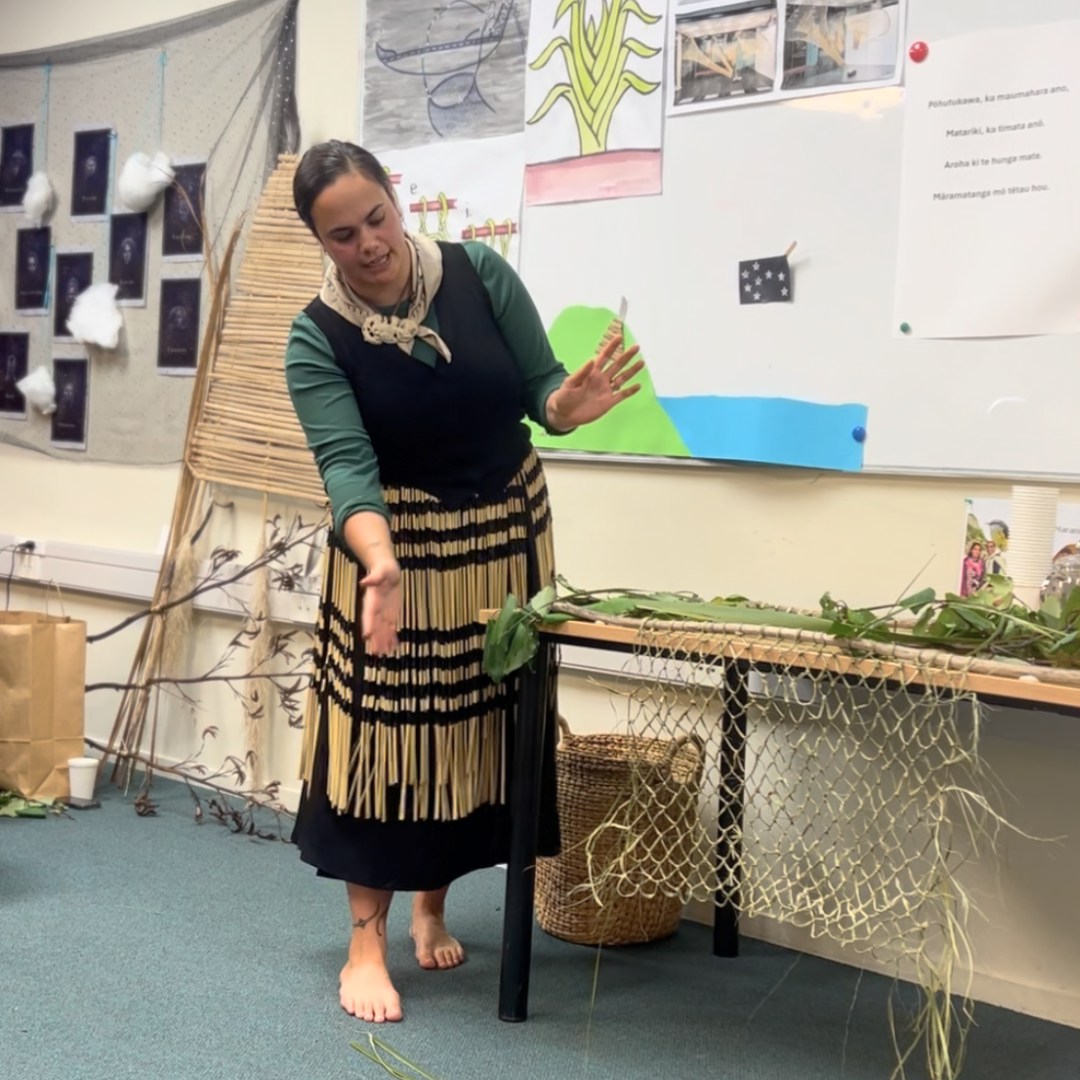
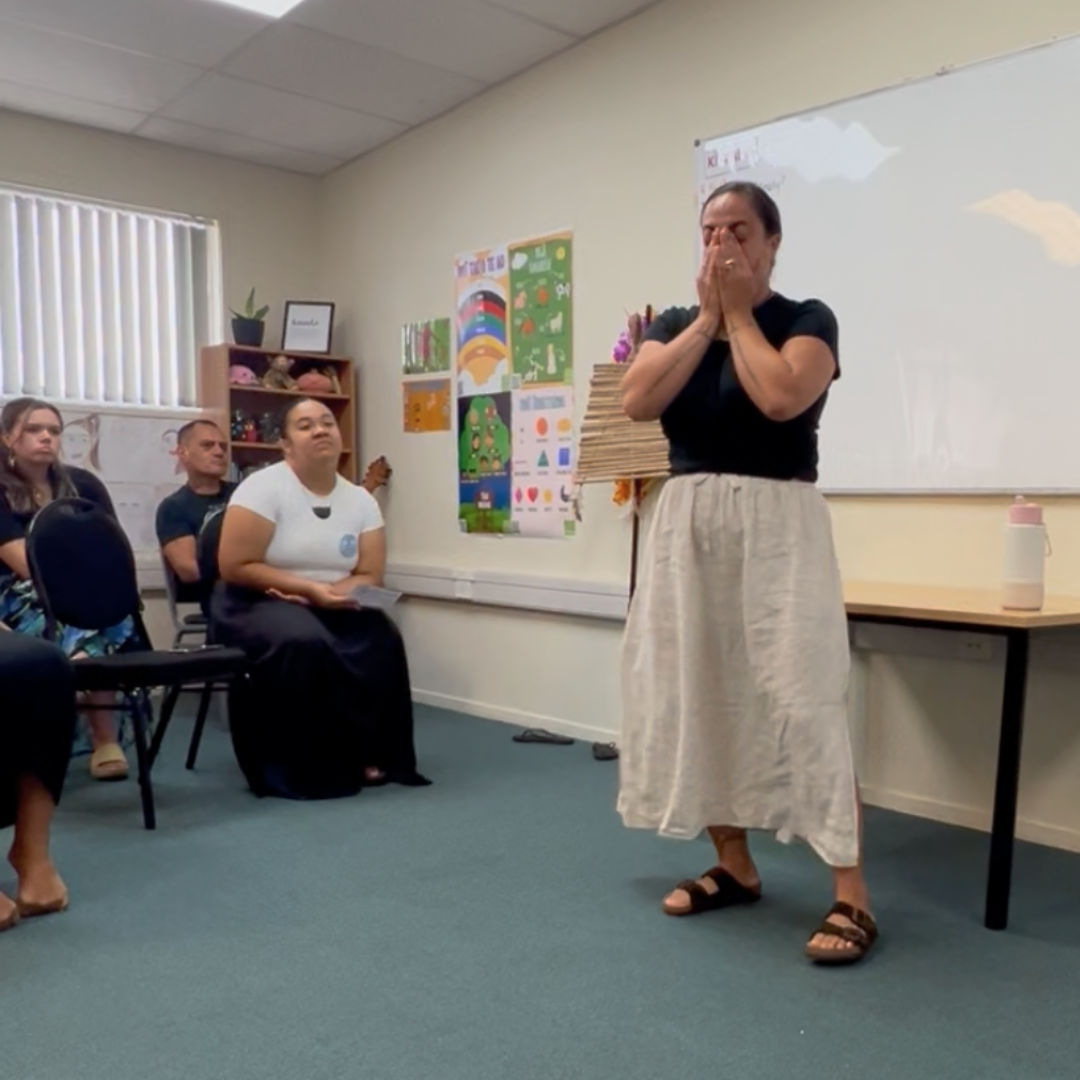
But as our journey progressed, I realised I wasn’t the only one experiencing this. Our akomanga became a safe space. Each time I apologised, my hoa ako and kaiako would welcome the roimata and kare ā roto and encourage me to embrace them. Through the process of our eight whakapuaki across the year, things started to shift for me.
I opened each whakapuaki with lines of a whakataukī or waiata. At first, it was a way to push myself out of my comfort zone. But it became something more than that. Singing helped settle my nerves. It helped release the emotion sitting in my ngakau. It grounded my voice before I began to speak, like a mirimiri for my korokoro and kare ā roto.
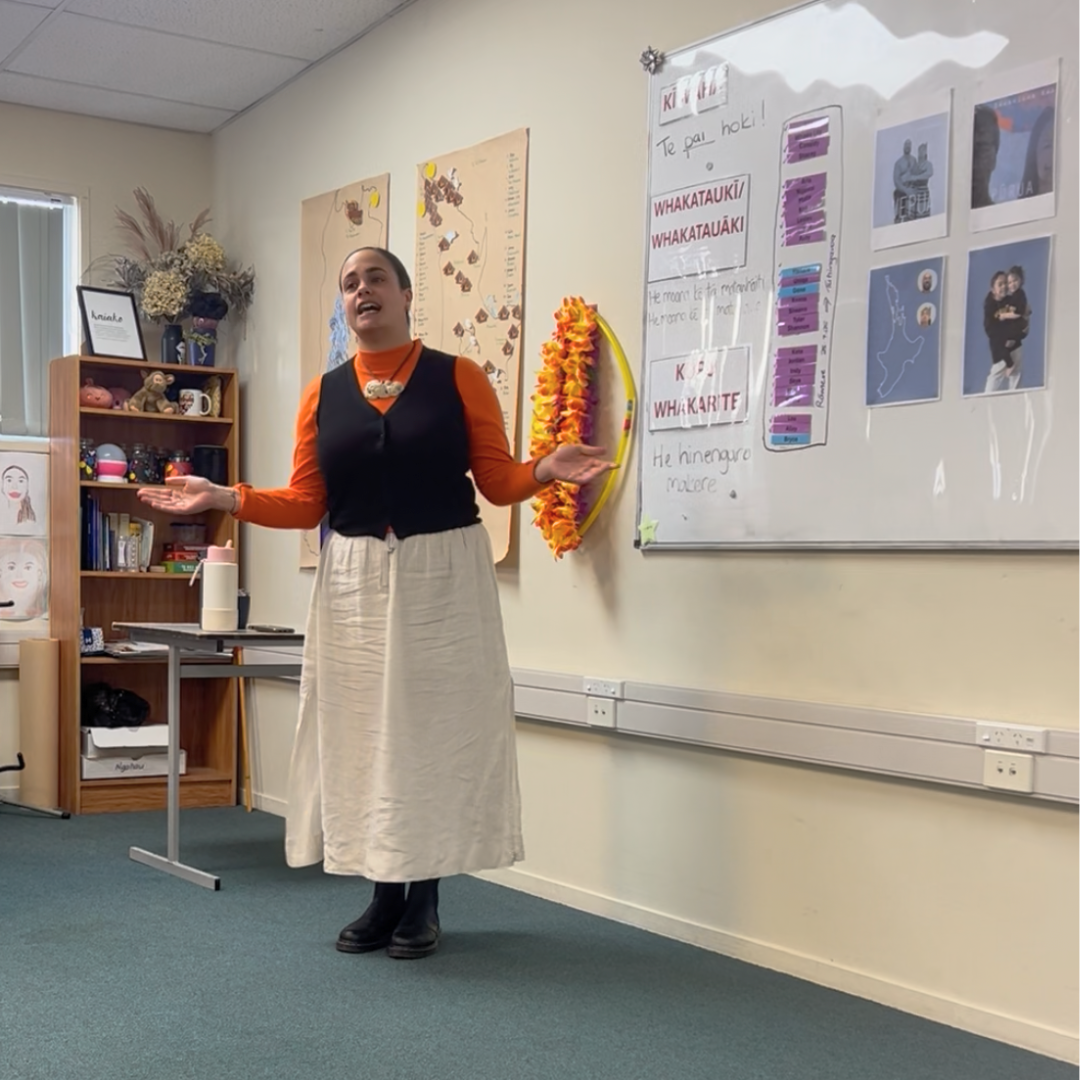
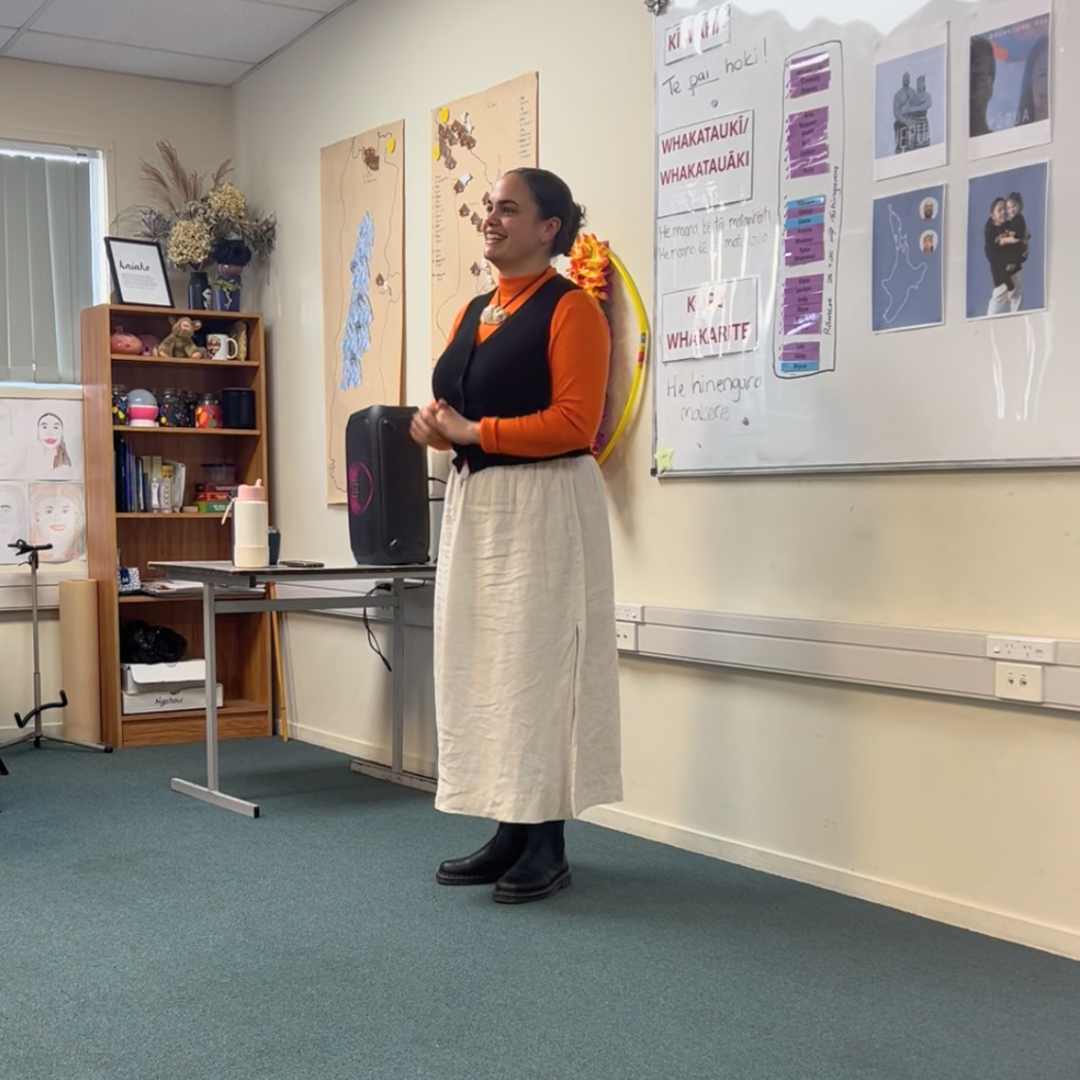
By my third or fourth whakapuaki, I noticed a real change. I could stand, take a breath, and take my time. The emotion didn’t disappear, but it no longer overtook my ability to speak. For the first time, I trusted that I could stand, feel the emotion, and keep speaking. Now when I stand to kōrero, I can do so calmly. I can take my time. I give myself a second to let my hinengaro, ngakau and arero realign, until the words or katakata start to flow again.
I have found a way to trust my emotions. They are a reo too. They don’t become trapped in my korokoro anymore. I acknowledge them, move through them, and keep speaking.
That growth has had an impact beyond the classroom as well. In my mahi, public speaking and holding space in front of groups is part of what I do. Takiura has helped me feel far more comfortable standing in those spaces. I trust myself more now when speaking in front of people, both i te reo Māori and in te reo Pākehā.
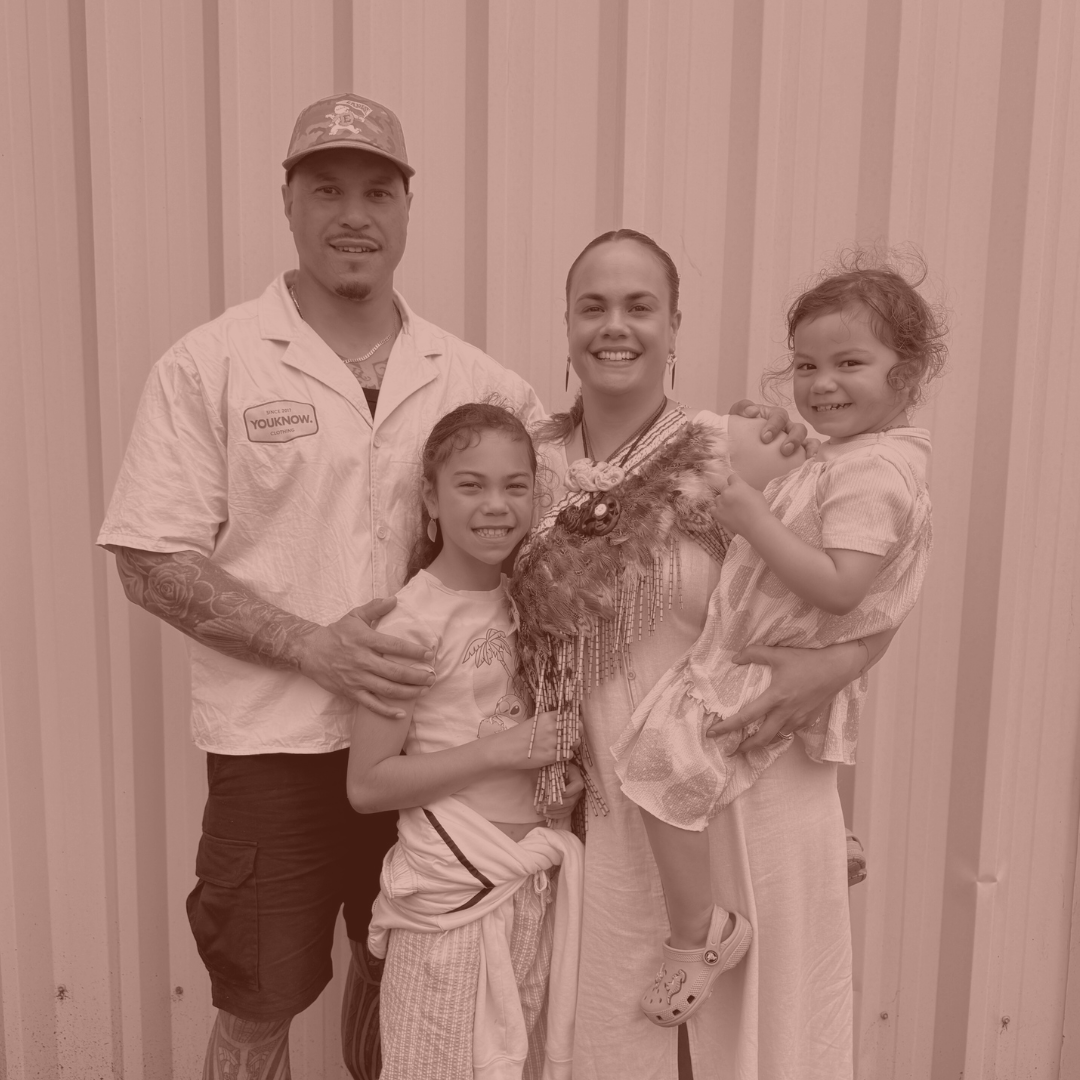
A moment that captured this shift for me was our 2025 rūmaki reo graduation. I had the honour of standing as the māngai for my akomanga. While preparing for that speech, every time I practised it, I cried. Every single time.
But when the day came, something felt different.
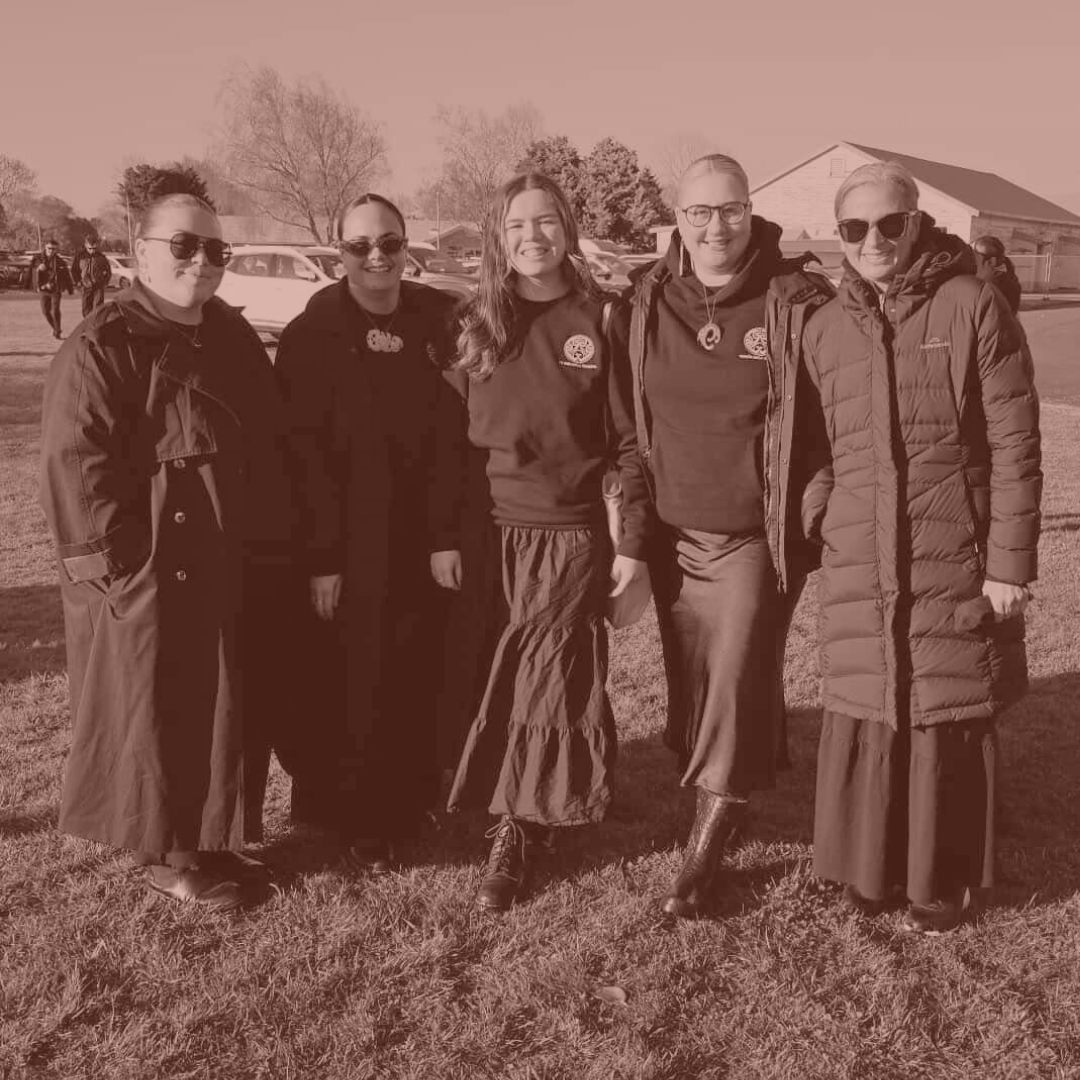
Standing in the hall at Takiura, surrounded by my akomanga, kaiako, and a room full of whānau, I felt a deep sense of pride and responsibility. I wasn’t just speaking for myself. I was representing my akomanga.
Instead of feeling alone, I felt held. It felt like there was a collective safety net around me, the safety net that Takiura had become for all of us.
When I stood to speak, I was nervous, but I was also calm. I took my time. The words flowed. And for the first time, I stood and delivered a speech i te reo Māori to a large audience without the emotion taking over. That moment meant a lot to me. Not because the tears disappeared completely, but because I had found a way to hold them, move through them, and keep speaking.
This is what my tipuranga has looked like. Growing to stand in my wairua, take a breath, and kōrero.
