
Te ngākau me te tirohanga Māori | A worldview shift
Five key shifts from my time at Takiura
In 2025, I stepped back from mahi to strengthen my reo Māori through full-time study at Te Wānanga Takiura. The experience shifted more than just my reo. It changed how I see the world, how I show up in my whānau and community, and how I carry myself in my mahi.
This series of posts reflects on five key shifts from my time at Takiura. Shifts in confidence, creativity, leadership, learning, and growth. These posts help me make sense of that journey and share what I’m carrying forward as I step into the next season of my mahi.
Te ngākau me te tirohanga Māori
Growing up as an urban Māori in Tāmaki Makaurau, te reo Pākehā surrounded me – at home, at kura, at work, in most of the spaces I move through day to day. Since I have had my own tamariki, our whānau has been more intentional about bringing te reo Māori to life beyond kōhanga and kura – in our own kāinga, whānau and the communities we are a part of.
I went to Takiura to strengthen my reo Māori. I thought I needed an immersion environment, a space where te reo Māori was normalised and expected – to force the reo I learnt at kura out of me. I thought an immersion environment would grow my confidence to speak te reo at Takiura, and prepare me to return to my everyday life and continue to kōrero Māori there too.
Over the year, I realised something else had been happening.
I didn’t realise how quiet my ngākau Māori and my tirohanga Māori had become inside me, until I went to Takiura.
As an urban Māori, my lived experience, whakapapa, and Māori medium education have shaped my values, how I see the world, what I believe in, and what’s important to me.
That worldview has always been there. But over time – studying in Pākehā tertiary institutions and later working in government systems – parts of that worldview were obscured, as I unconsciously conformed to the dominant culture around me.
I didn’t notice how much, until I stepped into te ao Māori, ao te pō, pō te ao at Te Wānanga Takiura.
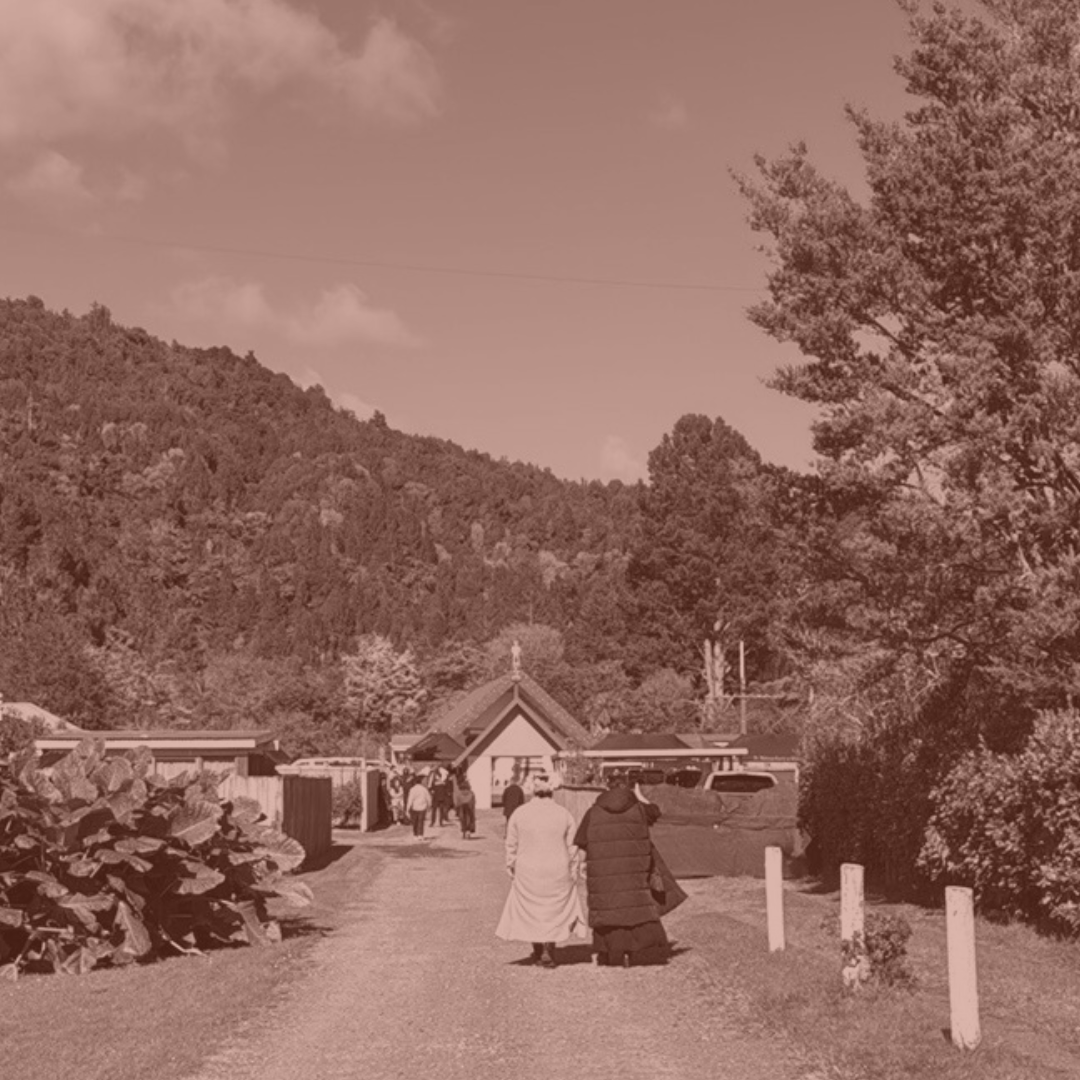
For me, rumaki (immersion) really kicked in at noho marae.
Te reo whakawhanaungatanga. Kōrero i te reo. Kōrero whakahoki i te reo Māori. For those days and nights, te reo Māori was all around us. In the wharekai over kai, with a kaputī, while making our moenga, at the hot pools – it followed us into every space and started to flow more freely from us.
That was a turning point. The ingrained, te reo Pākehā default started to shift, and it began to feel more natural to think and respond i te reo Māori. Looking back now, that wasn’t just a language shift. It was a worldview shift.
The last year felt less about learning more reo, grammar, or sentence structure, and more about returning to my ngākau Māori and my tirohanga Māori to guide and carry me.
I can see now that a big part of this journey was also about decolonisation.
It was about reclaiming my ngākau and tirohanga Māori. As the other lenses started to fall away, my ngākau and tirohanga Māori grew louder, stronger and clearer. Reclaiming has meant trusting those instincts again – letting them lead instead of being something I quietly adjust or conform depening on what space I am in.
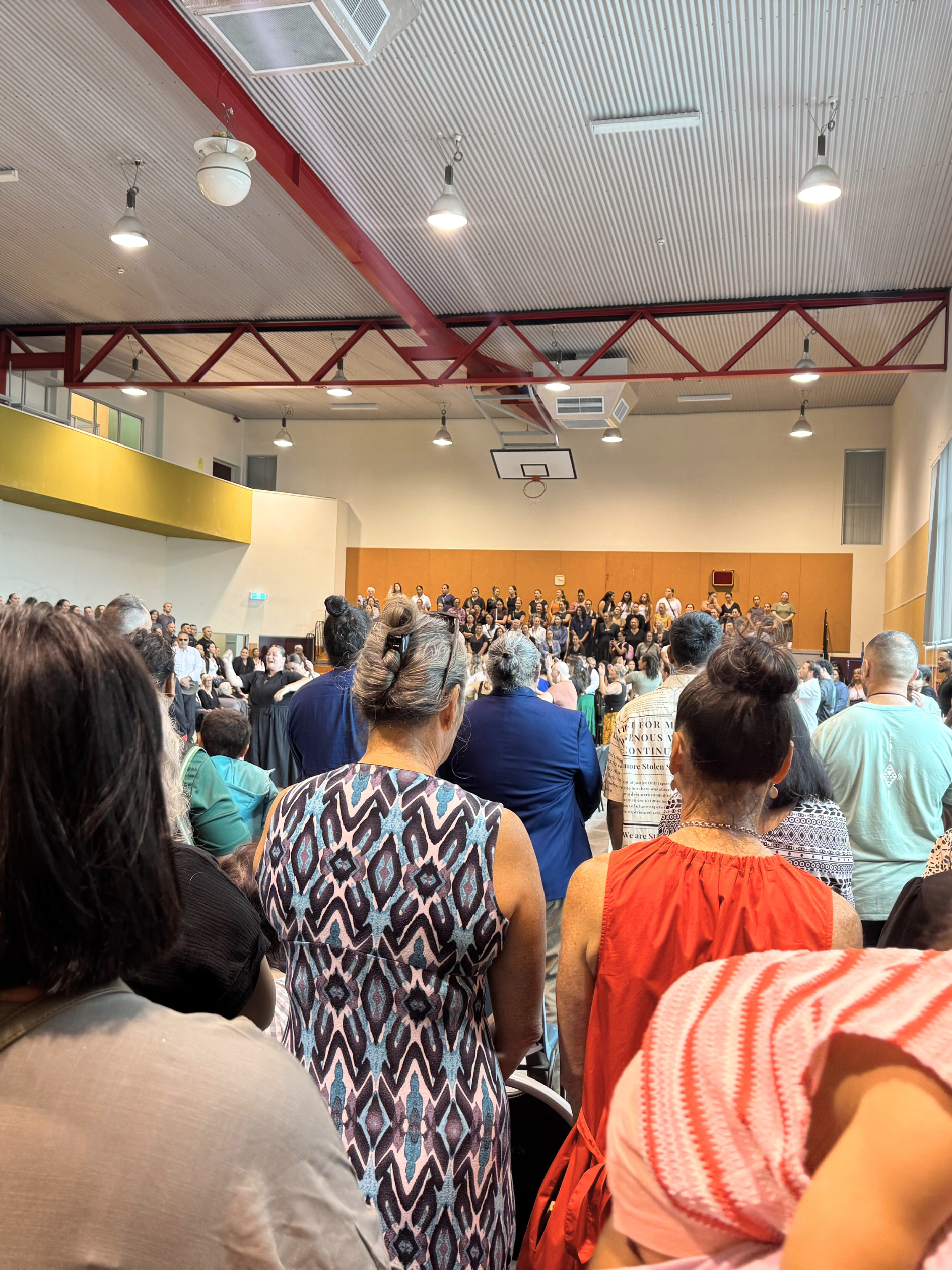
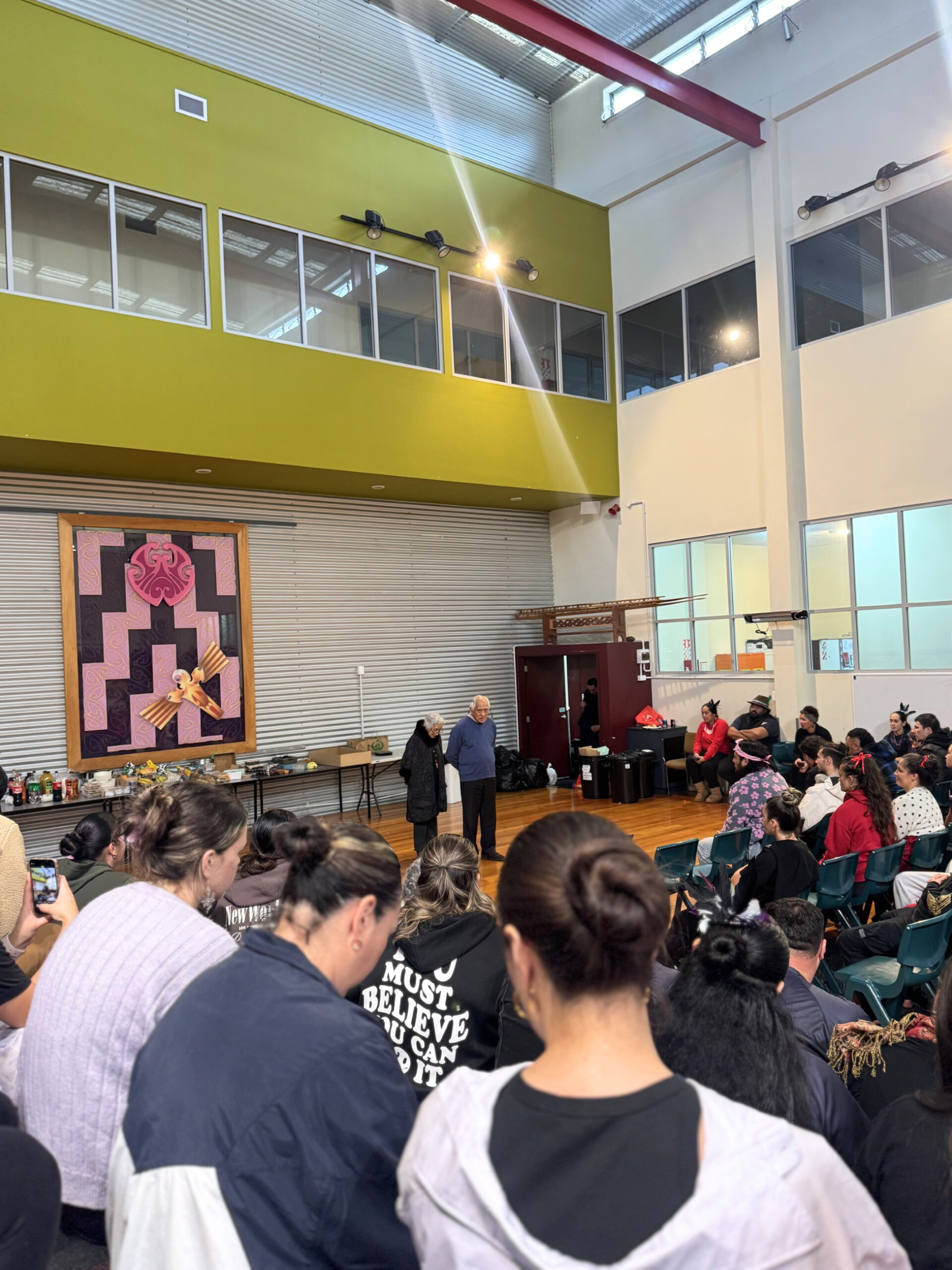
I must admit, that in the communities I whakapapa to in Tāmaki, we are privileged with many people who can kōrero and those who carry the roles of mihimihi, whaikōrero and waiata tautoko. In my circles, there is usually someone we can turn to and ‘give the eyes’, to step forward for mihi, karanga, to lead waiata, karakia and tikanga. As an introvert, I’m known for hiding in the background on these occasions, hoping someone else will fill the space and take on the role. Sometimes I am left feeling uneasy when I am in spaces where no one does, leaving an awkward and gaping hole.
That unease has stayed with me. But what’s shifted is how I respond to it. It’s no longer about waiting for someone else to fill the space – it’s about challenging myself to step forward and fill it.
Now, when I walk into spaces where tikanga isn’t followed or held, or there’s no one to take on those roles, that feeling in my ngākau has become harder to ignore. I can’t shrink away from it anymore. The discomfort is a tohu – of my responsibilities – a wero for myself and the spaces I now hold.
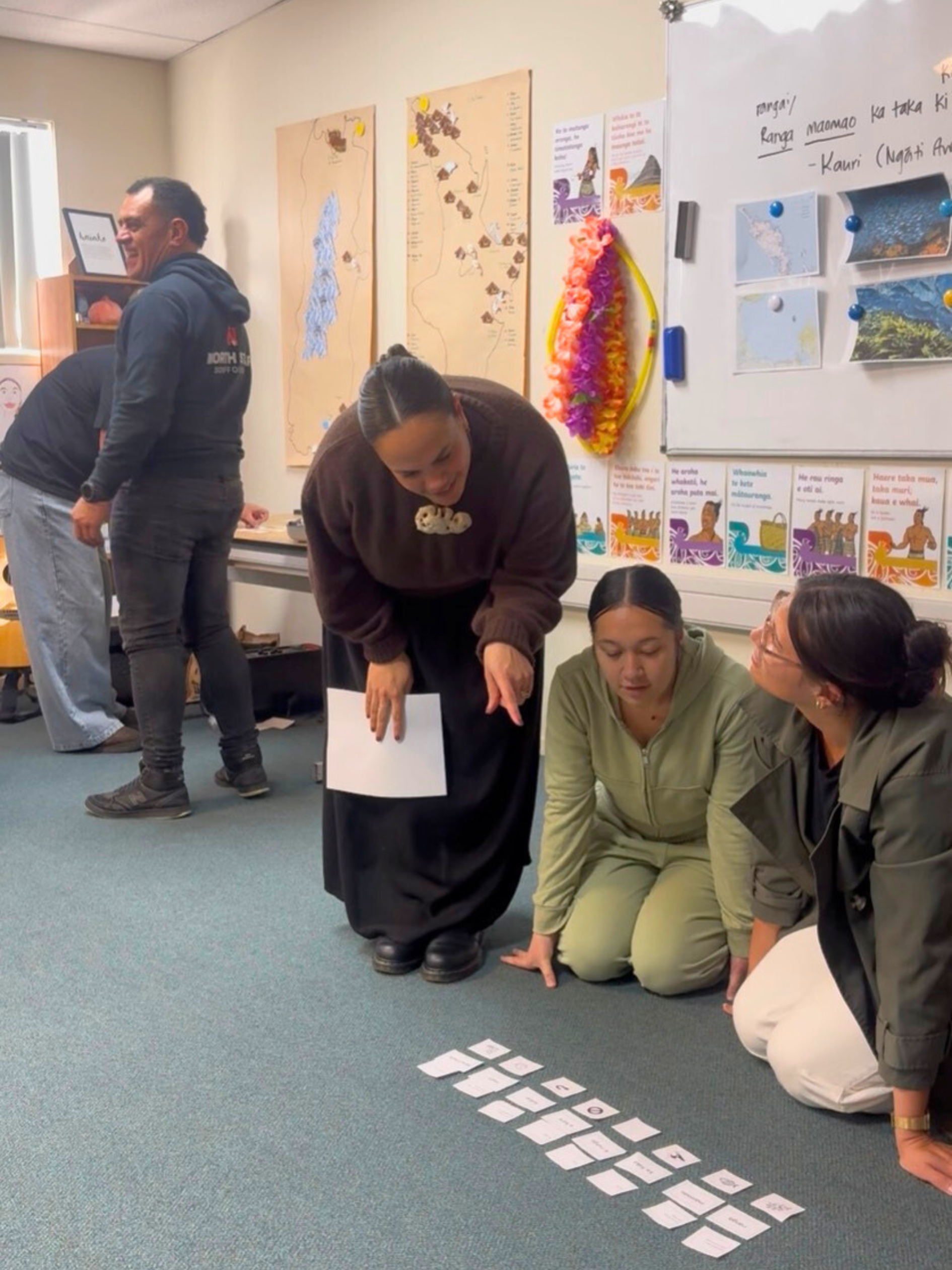
As I reflect back now, I can see that what really shifted at Takiura wasn’t just my reo.
It was about trusting my ngākau and tirohanga Māori, and fulfilling my responsibilities as a wahine Māori.
It was about returning to the foundations – of tikanga, of mātauranga, of whakapapa – rerooting, and regrounding firmly in them again.
As I settle back into mahi and kaupapa, the wero still lies.
I’m no longer the one ‘giving the eyes’. After a year at Takiura, I seem to be one of the ones ‘getting the eyes’. The challenge for me now is to follow the lead of my ngākau, to embrace the discomfort as an opportunity to lead, to learn, to experience and to strengthen – and to take those moments as acts of reclamation.
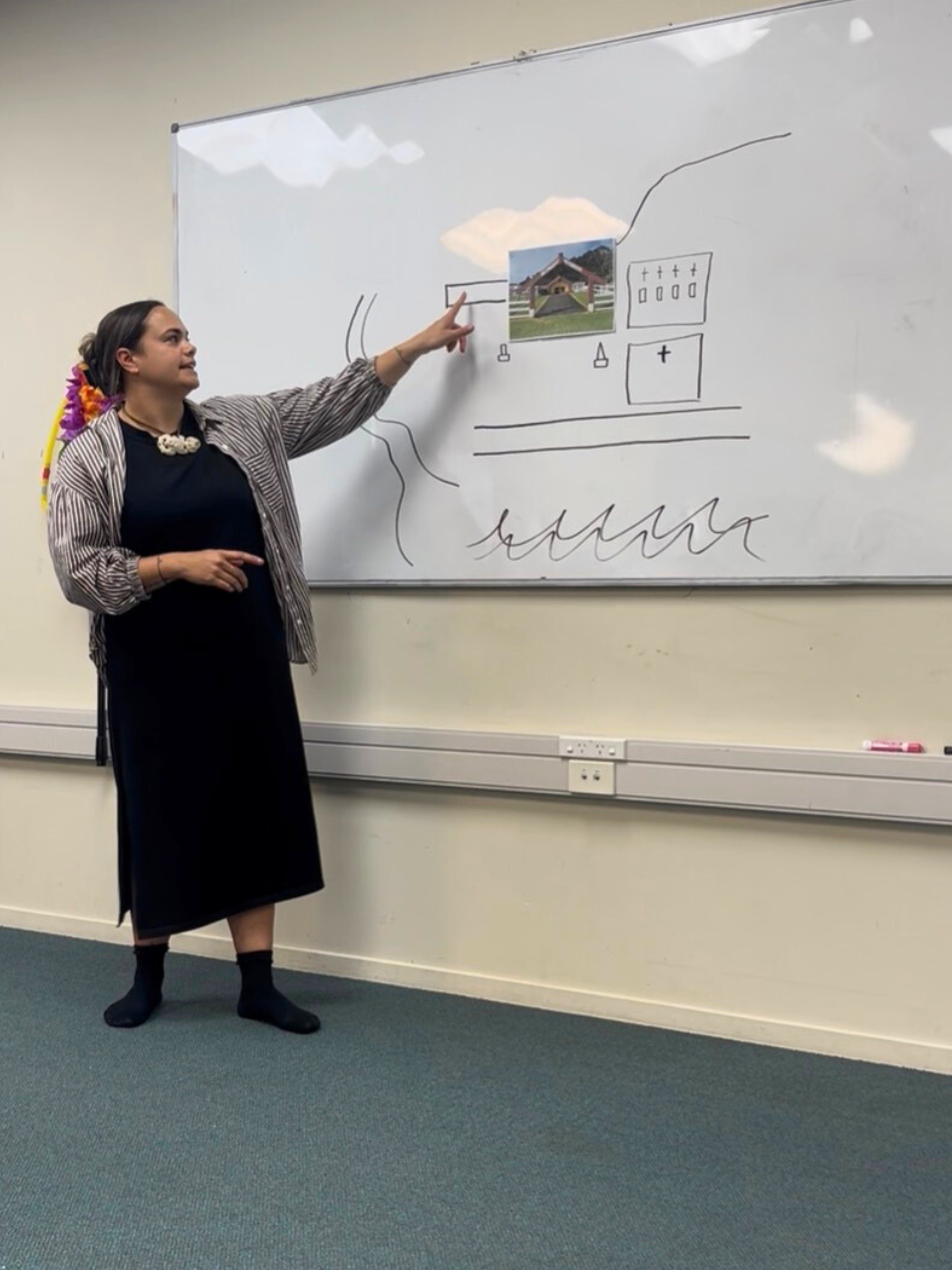
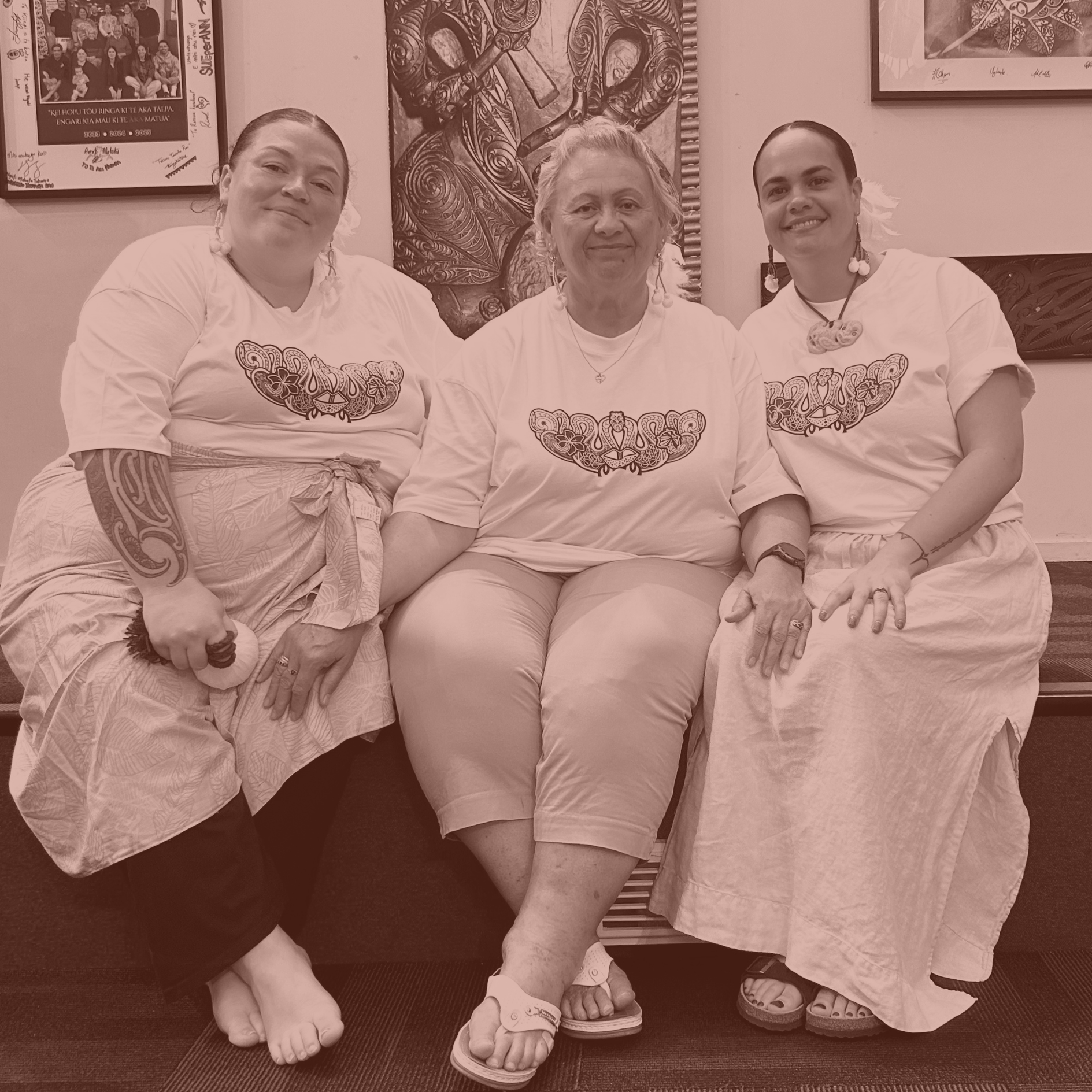
Ka rere aku mihi ki taku kaiako a Whaea Gina Houia (Whaea G), nāna i whakaoho anō i taku ngākau Māori. He kaiako tū māro hītarari i ngā tikanga Māori.
Whaea G would often say that she’s ‘not a kaiwaiata’, but I never once saw her resist a waiata tautoko, a mihi, or a moment where tikanga was to be upheld. She always stepped forward. He iho pūmanawa a Whaea G.
Tangata ako ana i te whare, te tūrangā ki te marae, tau ana.
