
Rangatiratanga | A leadership shift
Five key shifts from my time at Takiura
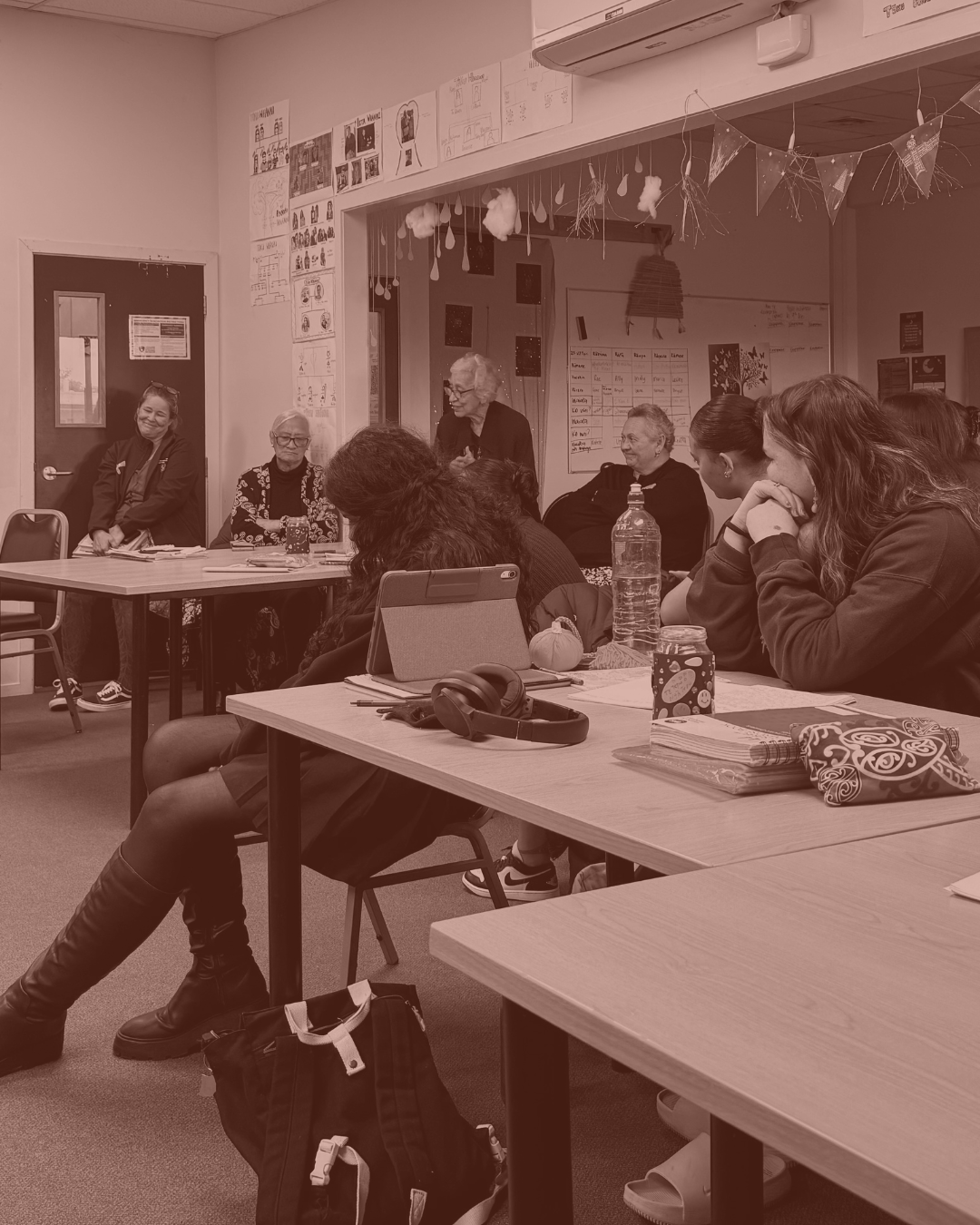
In 2025, I stepped back from mahi to strengthen my reo Māori through full-time study at Te Wānanga Takiura. The experience shifted more than just my reo. It changed how I see the world, how I show up in my whānau and community, and how I carry myself in my mahi.
This series of posts reflects on five key shifts from my time at Takiura. Shifts in confidence, creativity, leadership, learning, and growth. These posts help me make sense of that journey and share what I’m carrying forward as I step into the next season of my mahi.
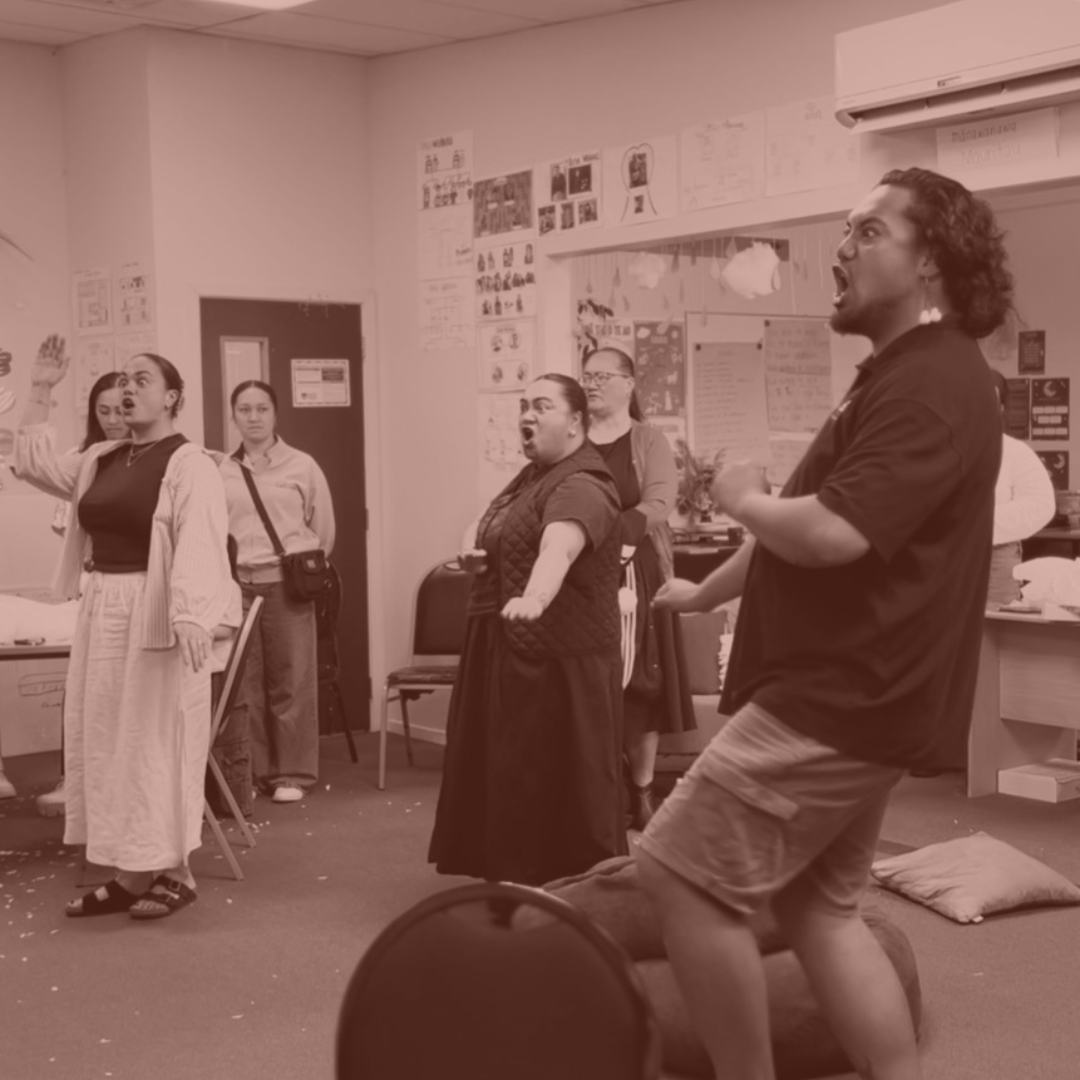
Rangatiratanga
This is the fourth reflection on my journey at Takiura. Reconnecting with my ngākau Māori and growing through immersion, my understanding of leadership has changed.
Before Takiura, I thought leadership sat at the front. Ko te amorangi ki mua. The one who speaks, leads, and is seen. I always saw myself in the background. Te hāpai ō. Supporting, making things happen from behind.
But through this journey, I’ve realised leadership isn’t from the front or the back.
It’s collective.
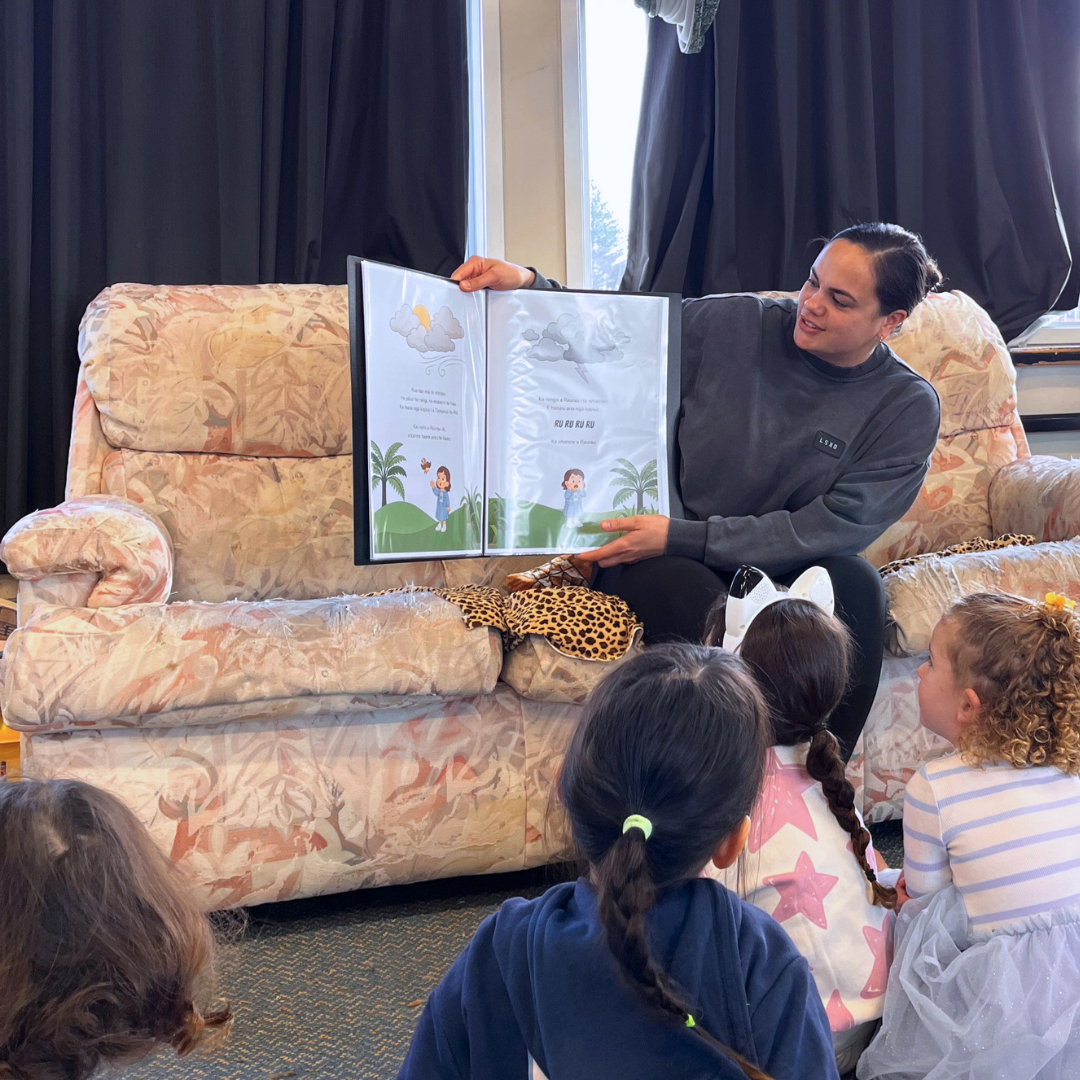
The biggest shift for me was at kōhanga reo. Our pōtiki is the first in our whānau to be raised in kōhanga reo. At the start, I felt that discomfort of not knowing, not feeling confident in my reo, sitting more in the background. But after a term at Takiura, and spending a week on placement at our girls kōhanga reo, that started to shift for me.
I began to kōrero more i te reo. First small replies, then conversations. With kaiako, other mātua, with people I had always spoken English with. I had an environment where I could build relationships through reo. And that translated into how I showed up at kōhanga. I stepped further into the kaupapa - joining the kōmiti, learning about whānau whakahaere, and bringing my own pūkenga and wheako to support the growth of the kōhanga. From where I started, that was a big shift in me.
Leadership at kōhanga was about belonging and contributing. My experience at Takiura gave me the confidence to step into the collective.
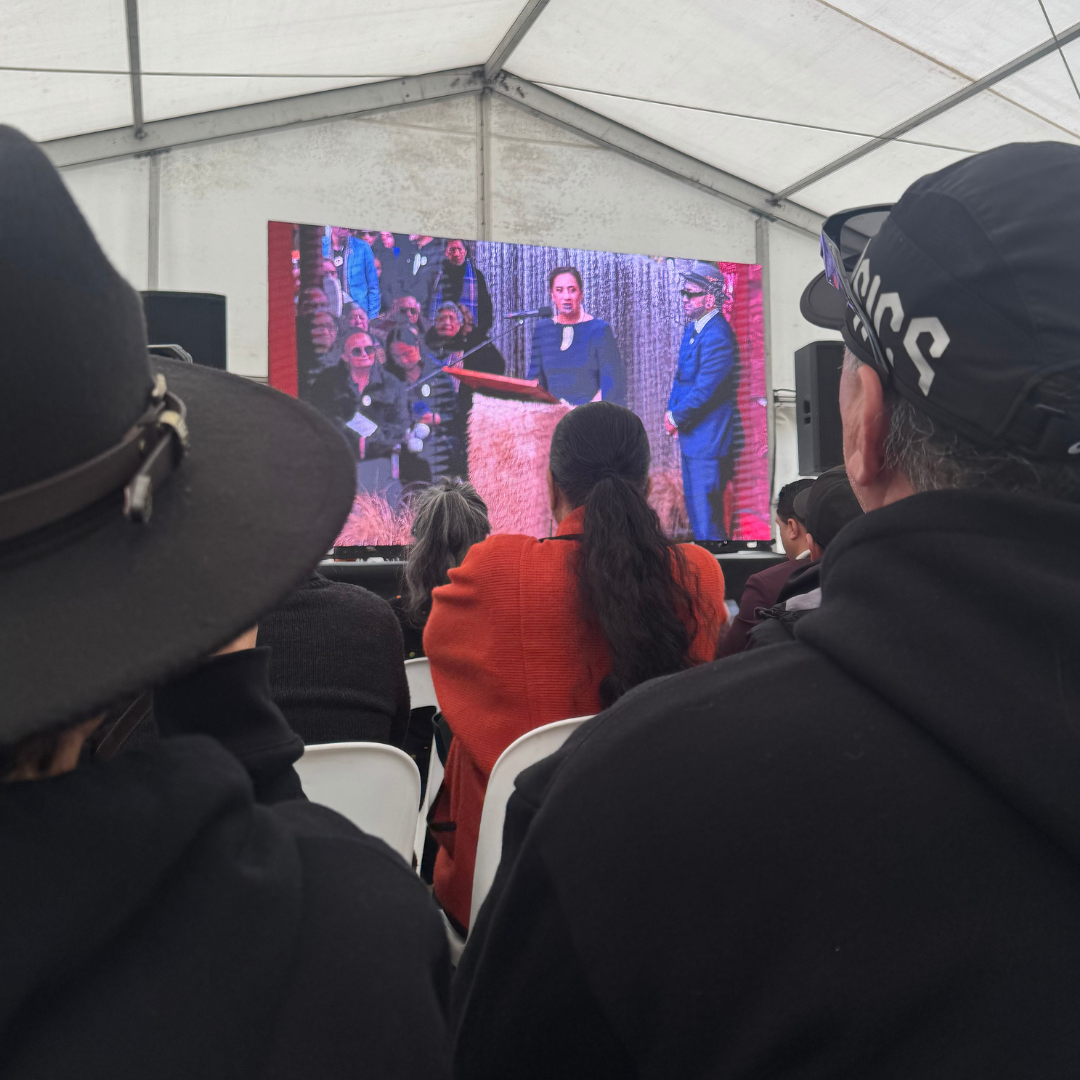
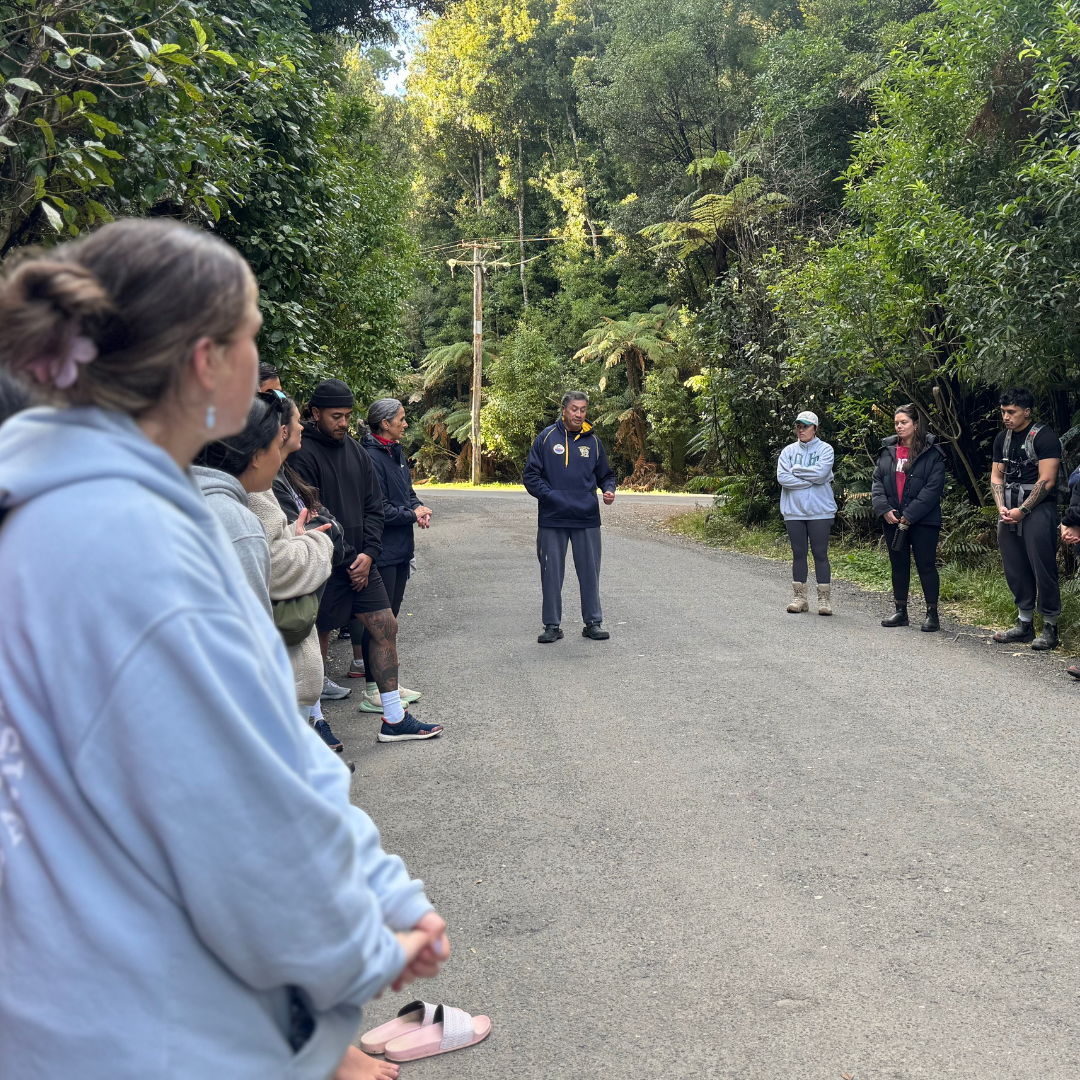
In the lead up to whakapuaki, when the stress caught up with me and I began to question my motivations all over again, my hoa rangatira would remind me, “You are the first in your whānau. It’s not going to be easy. You are a leader.” In the heat of those moments as doubt and thoughts of giving up crept in, he would put things back into perspective for me, help me see the bigger picture and remind me of my why. It’s harder to see the top of the maunga when you’re blinded by the fog of your own insecurities.
It made me think about my parents. The decision they made over 30 years ago when I started kura – choosing a Māori medium pathway for us, committing to it from primary to secondary school. They didn’t have the reo themselves. My mum is Pākehā and my dad is second generation urban Māori. That is leadership too. Intergenerational, whānau leadership.
It shows now in the way we are owning, taking the lead, and creating a path for our own tamariki. Carrying reo for our whānau - immediate and wider. It can feel taumaha at times. But just as our parents paved the way, we’re now reconnecting to other parts of ourselves. Returning to whakapapa. Reclaiming reo, tikanga, ahurea, tuakiritanga for ourselves, our tamariki, our whānau, and our hapori.
Rangatiratanga is inherited and carried forward. My time at Takiura helped me to see that more clearly - that what I’m doing now is part of something much bigger than me.
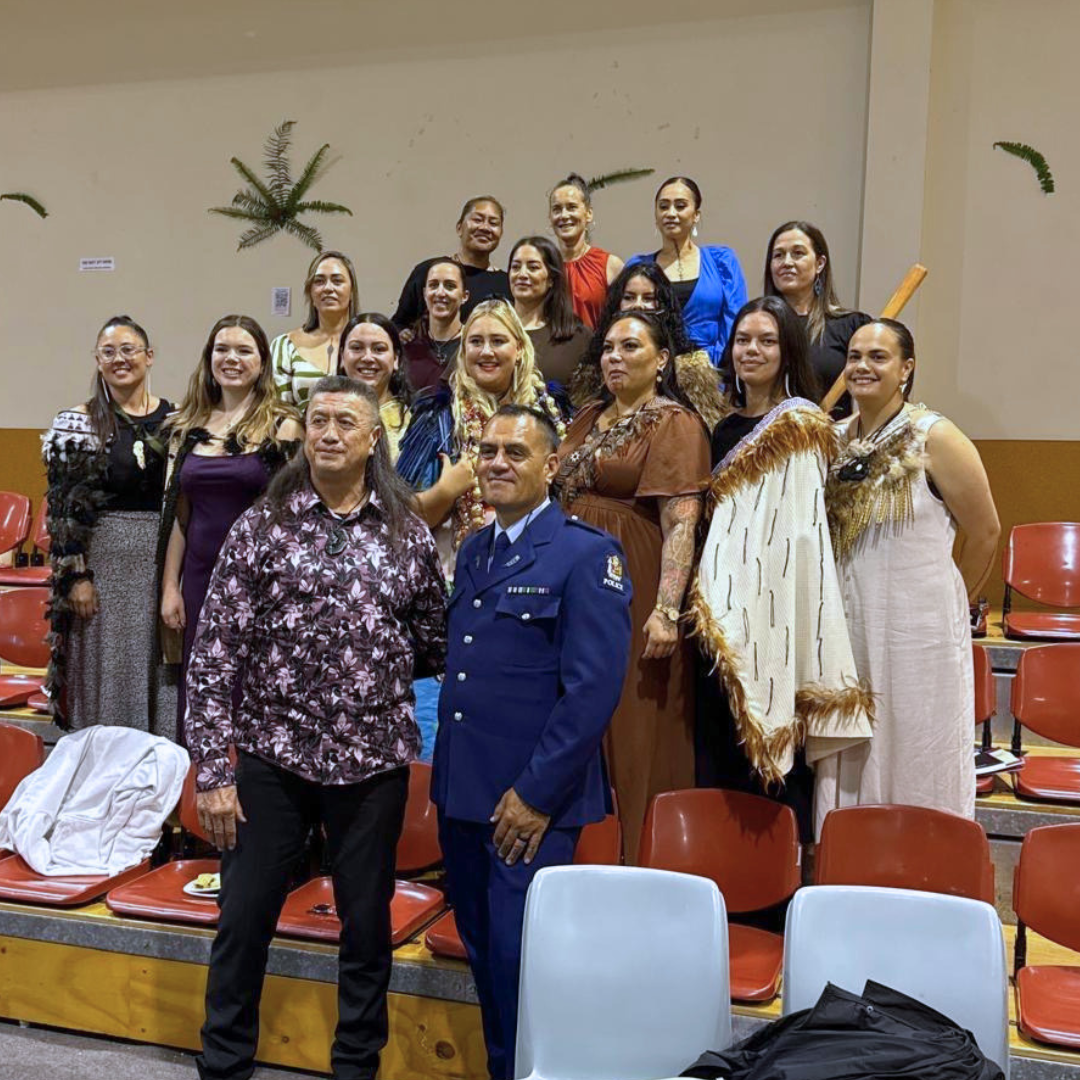
What rangatiratanga means to me now
Rangatiratanga is stepping forward when a kaupapa needs to be carried - even when it feels uncomfortable. Contributing what you have, and creating space for others to do the same.
Rangatiratanga is collective.
Standing with others, not above them.
Rangatiratanga is intergenerational.
Honouring those who came before us, and shaping the path for those who come after.
Rangatiratanga is reclamation.
Taking ownership of our reo, our tikanga, and our identity.
It brings me back to the kupu rangatira. At Takiura, we learnt the deeper meaning behind it – ranga i ngā tira. To weave people together. To connect the collective.
My experiences at Takiura have reshaped how I understand leadership. Not as something individual, but as collective. In my mahi, I aspire to lead with purpose. Not at the front or the back, but from within.
