
Ngā āhuatanga ako | A learning shift
Five key shifts from my time at Takiura
In 2025, I stepped back from mahi to strengthen my reo Māori through full-time study at Te Wānanga Takiura. The experience shifted more than just my reo. It changed how I see the world, how I show up in my whānau and community, and how I carry myself in my mahi.
This series of posts reflects on five key shifts from my time at Takiura. Shifts in confidence, creativity, leadership, learning, and growth. These posts help me make sense of that journey and share what I’m carrying forward as I step into the next season of my mahi.
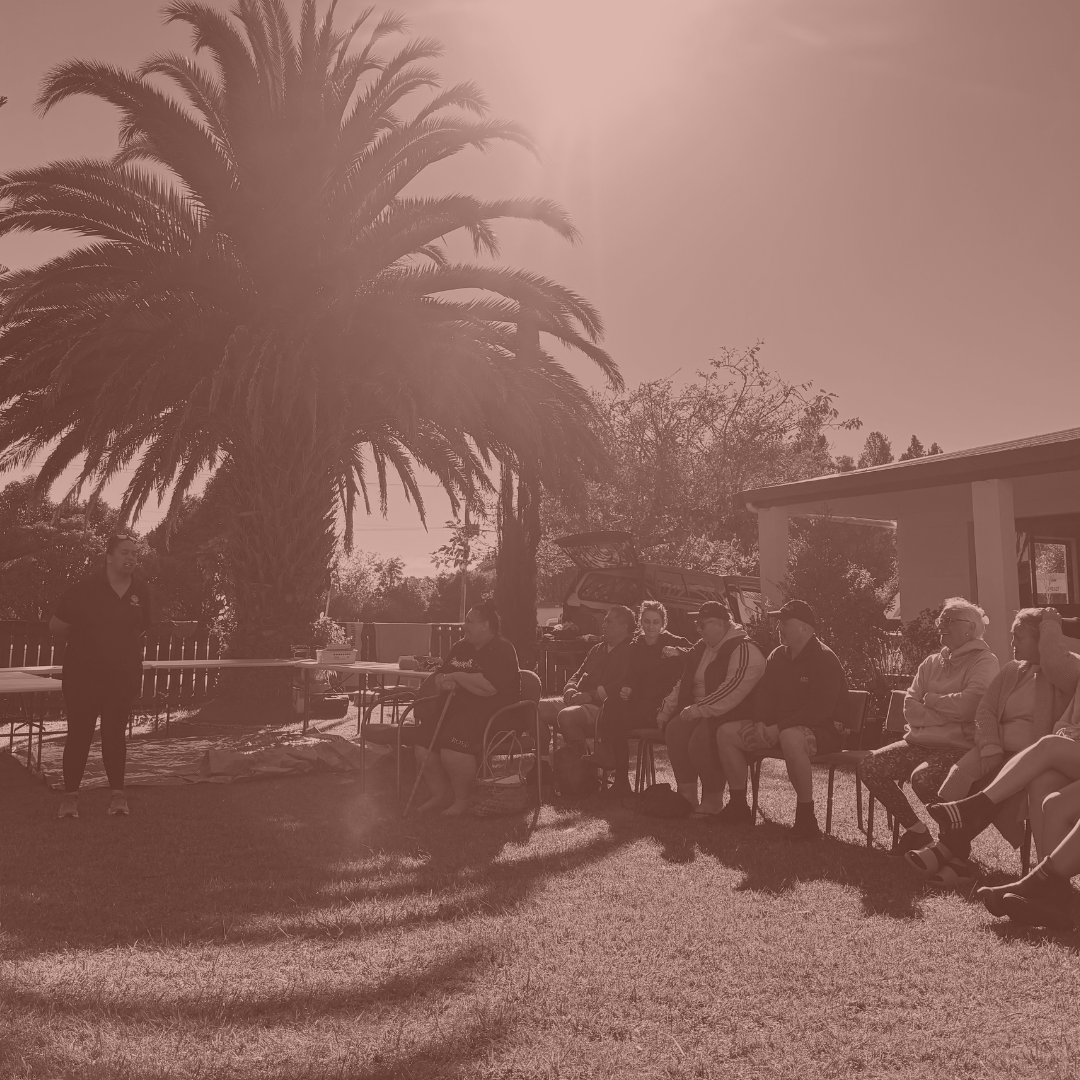
Ngā āhuatanga ako
As part of our 2025 yearbook, we were invited to write a mihi and reflect on our rumaki reo journey. In that reflection, I identified five kākano that had been planted and nurtured throughout the year. Those five kākano became the foundation for this reflection series, with each post exploring the shifts that shaped my journey. The fifth and final kākano was ngā āhuatanga ako. At the time, I thought it was about the different ways we learned. Looking back now, I think it was about remembering how to be an ākonga again.
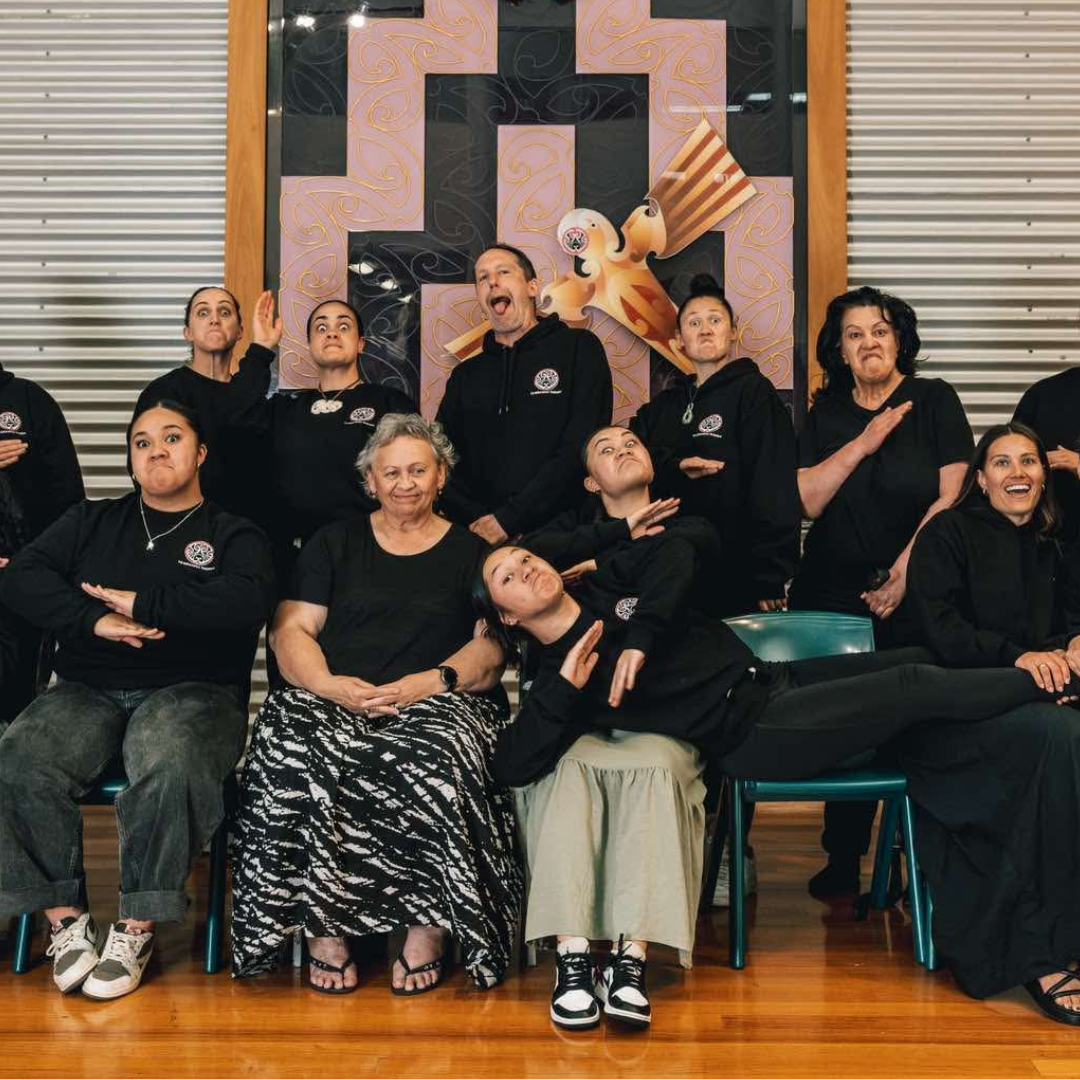
Before Takiura, I had spent my adult years learning through art, books, research, tertiary study, assignments, workshops, and professional development. Then I arrived at Takiura and found myself making Matariki decorations for the classroom, singing kōhanga reo waiata, dressing up for whakapuaki, contributing to short plays and ditties, drawing pictures, making resources, and laughing most days. It felt less like tertiary study and more like kura tuatahi.
Takiura reminded me that learning isn't just about receiving information. It's about experiencing mātauranga and bringing it to life.
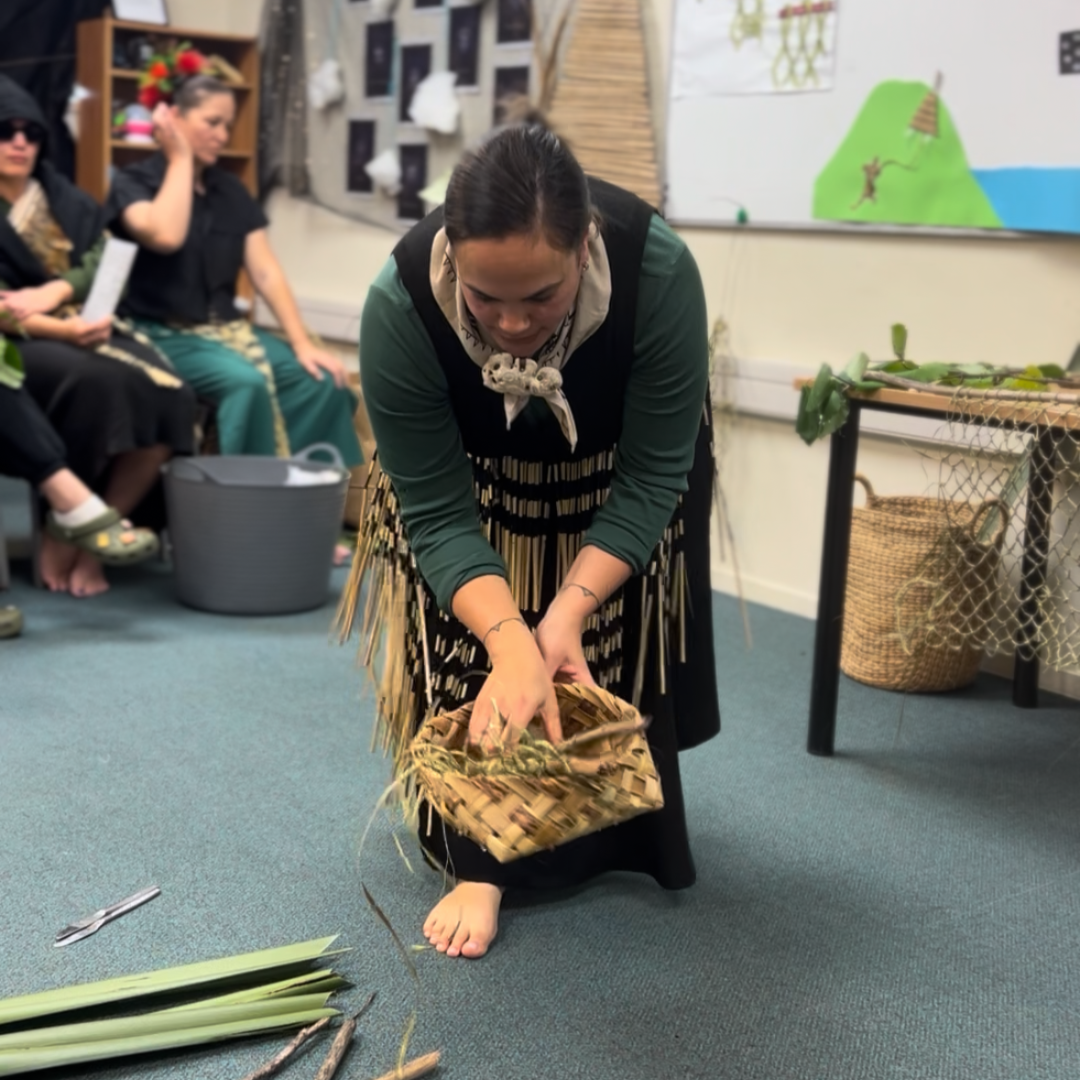
I made a kupenga harakeke inspired by Te Kupenga a Taramainuku for our Matariki whakapuaki. The real learning happened sitting at home with one of my mum's raranga books, trying to learn the correct kupenga knot. I had worked with harakeke before, but I hadn't mastered that knot. I made mistakes, started again, got frustrated, then shared my kupenga and akoranga anyway.
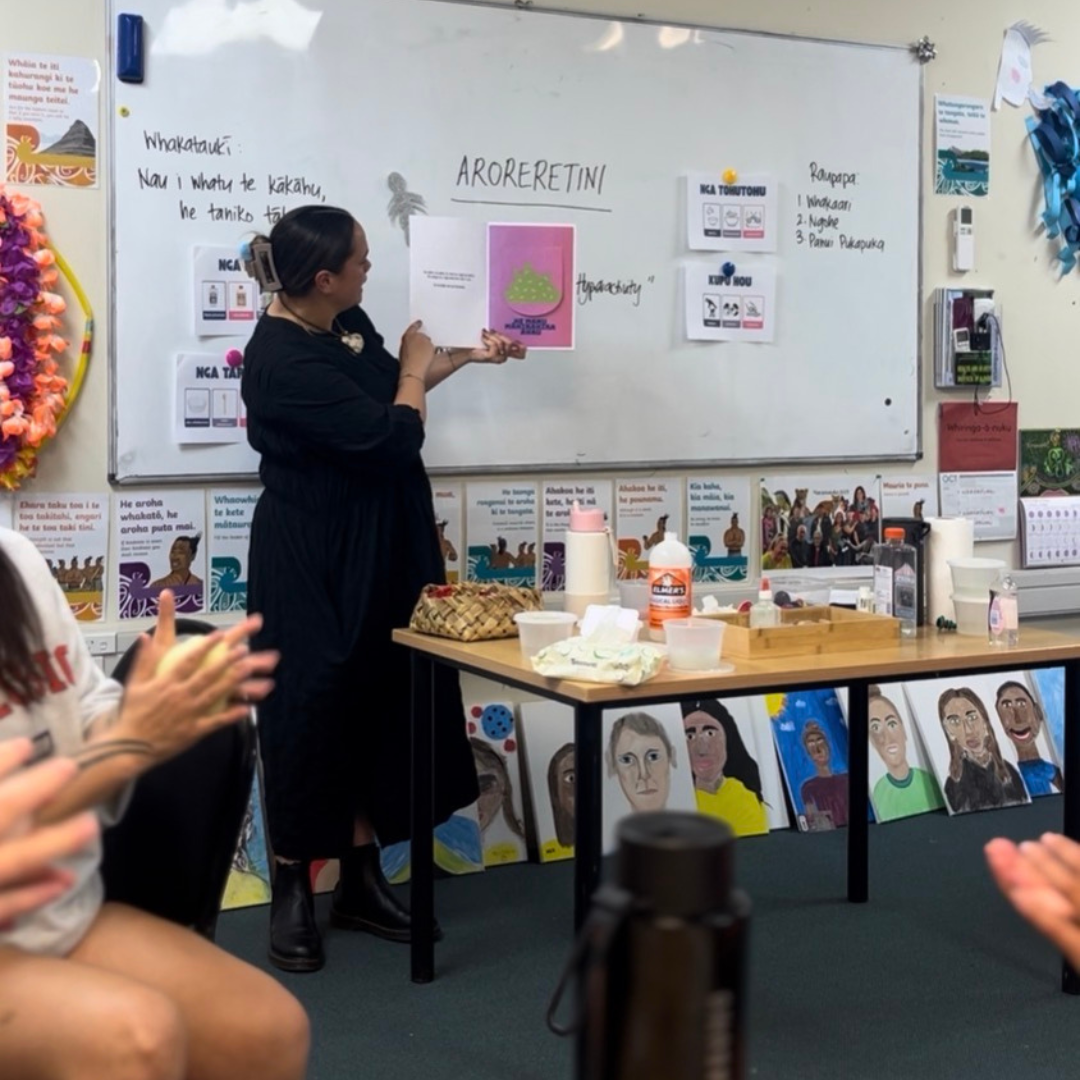
My mātāmua Pia came along to my final whakapuaki. I wrote a pukapuka for her about aroreretini through a te ao Māori lens, drawing on the manu of the taiao and pūrākau from Mahi a Atua. We created kāpia tākaro with glue, glitter, and glow-in-the-dark paint to represent the Hinātore. I did not expect that making slime with my tamāhine and a classroom of twenty-plus adults would be part of my reo journey. But somewhere amongst the kupenga, the slime, the waiata, the kōhanga placement, and all of our whakapuaki, I stopped waiting to be taught and started participating in my own learning.
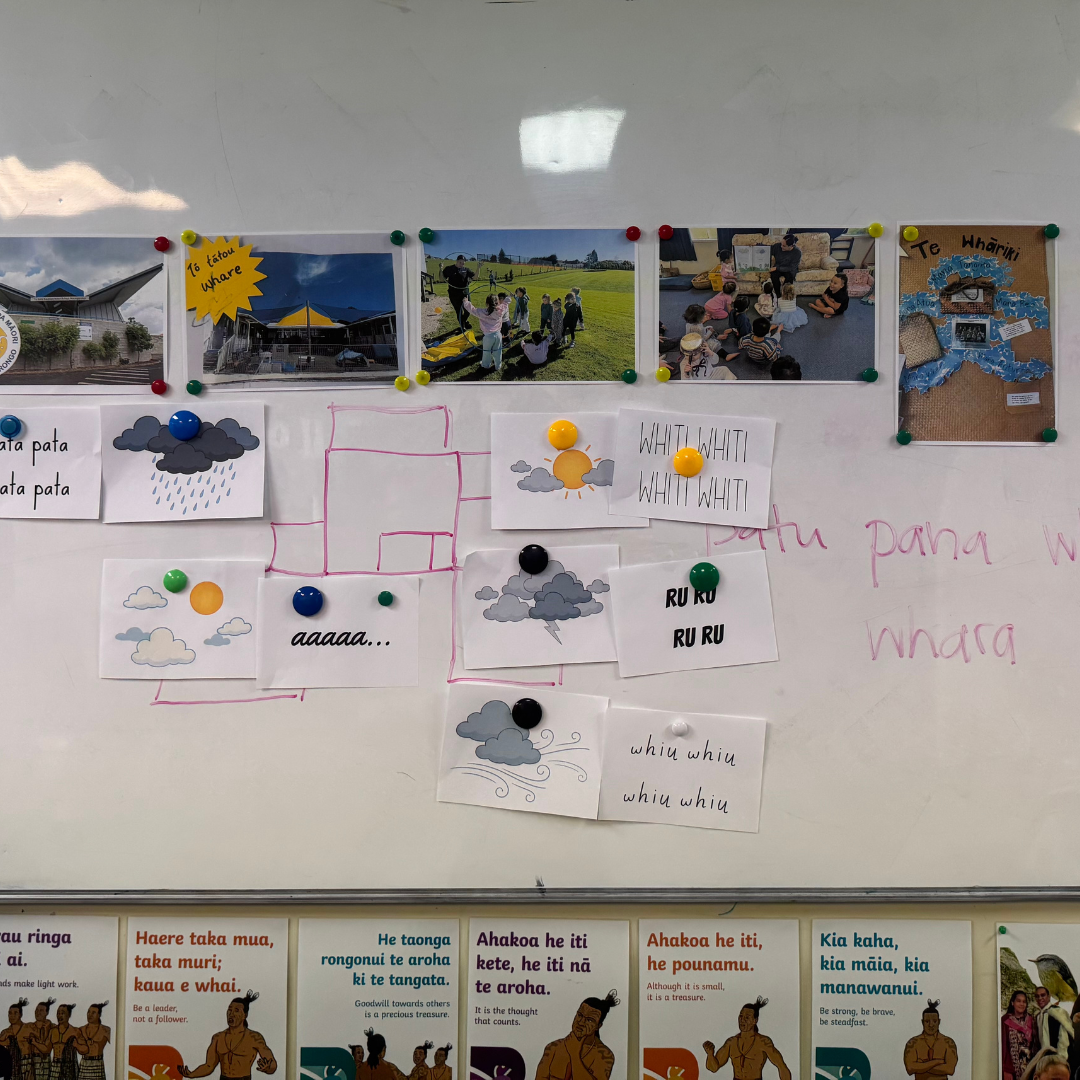
Takiura taught me that learning didn't just come from the kaiako, it came from each other. Some tauira were gifted drawers, some could write a play or a waiata at the drop of a hat, and some were natural performers. Others could stand and make the class laugh with a few words. This laughter shaped my learning.
I realised that te reo Māori isn't just about speaking grammatically correct reo or being able to hold a conversation. It's about making people laugh and our ability to whakangahau. It's knowing when to whakapiki wairua and how to whakatau wairua. It's about weaving together kōrero, whakaaro, whakapapa, mātauranga, and story. I learned a lot from the people around me.
This came to life again during my kōhanga reo placement. Watching my pōtiki Te Rau stand confidently to do her mihi and lead a hīmene reminded me of the power of immersion. It reminded me that learning doesn't only happen at school or kōhanga. It happens at home in our everyday conversations, around the tēpū at dinner, in the small moments that don't always feel like learning at the time.
Since Takiura, I've carried some of these lessons into my own mahi. I'm less afraid to draw things by hand, create resources, and bring creativity into my work.
Looking back across these five reflections, I can see that the journey was never just about strengthening my reo. It was about reconnecting with who I am and the kind of practitioner I want to be.
We're in the season of Matariki and and as I prepare to share the next chapter of Uia Te Kura, I can see these experiences woven throughout my mahi. In the stories I tell, the wānanga I design, the resources I create, and in the spaces I hold for people to connect, contribute, reflect, and learn from each other.
Maybe that's what ngā āhuatanga ako was really about...not just learning te reo but remembering how we learn, grow, and create together.
